The municipal body València Sostenible has approved its roadmap for the next four years, with 7 strategic lines and 16 objectives to promote climate adaptation, energy transition, and sustainable food.
The Valencia City Council has launched the Strategic Plan 2026-2030 of the autonomous body València Sostenible, approved in the latest meeting of its Governing Council. The document sets the roadmap for the entity for the next four years and consolidates the integration of València Clima i Energia and the World Centre for Sustainable Urban Food (CEMAS) into a single body.
The plan is structured around 7 strategic lines, 16 specific objectives, and 29 actions. Among its priorities is the expansion of the Network of Climate Shelters, the renaturalisation of schools and public spaces, and the development of projects to protect the population from heatwaves and other extreme climate phenomena.
The president of València Sostenible and councillor for Climate Improvement, Acoustics, and Energy Efficiency, Carlos Mundina, emphasised that the plan defines “how we want Valencia to be in the future: a city better prepared for climate change, more energy efficient, and with a better quality of life for all citizens.”
Sustainability only makes sense when it improves people's lives. That is the spirit of this plan: to protect those who need it most, to promote a city better prepared for climate challenges, to advance towards a more efficient energy model, and to continue promoting healthy and local food.
In energy matters, the plan strengthens the work of the Energy Offices to combat energy poverty, promotes the rehabilitation and energy efficiency of homes, and favours self-consumption and energy communities. It also aims to bring renewable energies closer to citizens.
The food axis strengthens the role of CEMAS, supports the Valencian orchard and local food systems, promotes sustainable public food procurement, and develops projects to reduce food waste.
The plan also consolidates environmental education and citizen participation as tools to foster sustainable habits. Additionally, it improves the internal management of the body to attract more European funding, promotes collaboration with universities, administrations, businesses, and social entities, and strengthens communication to bring these policies closer to all neighbourhoods in the city.
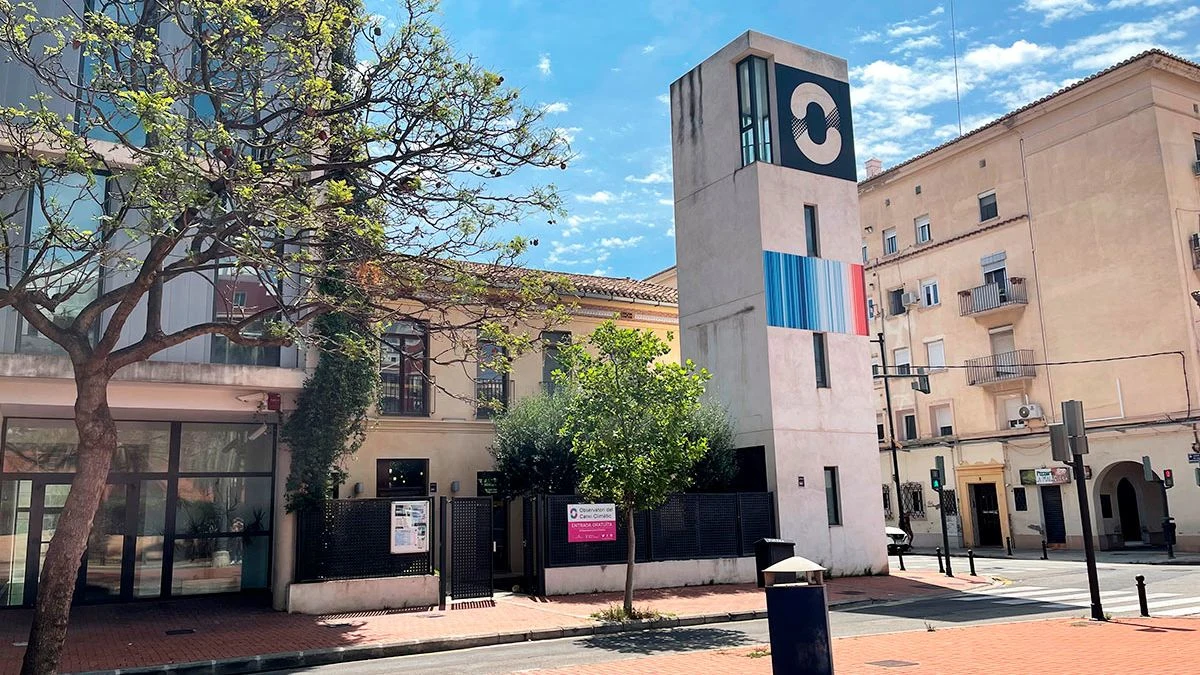
Mundina thanked the work of the technical team and highlighted that València Sostenible has become a reference body thanks to initiatives such as the energy offices, the Climate Change Observatory, CEMAS, the network of climate shelters, and its participation in European urban innovation projects.
This plan will allow us to continue growing, capture new funding opportunities, and develop innovative projects that place Valencia among the European cities most committed to sustainability.
With this roadmap, the municipal body will face the environmental, energy, and social challenges of the city until 2030, with a direct impact on the quality of life of residents, who will see more climate shelters, more support against energy poverty, and more promotion of local food.
You may also like